
Probable Cause Before Arrest Process
Virginia lets a magistrate issue an arrest warrant on a sworn complaint. The complainant must state, under oath, that an offense occurred and that a named person committed it. A judicial officer then reviews the application. That review matters. A warrant is more than a police accusation on paper. It identifies the accused, states the offense, and directs an officer to bring the person before a court. Where does the case go in Portsmouth City? Misdemeanor and traffic charges usually start in General District Court. Felonies begin there for preliminary proceedings, then move to Circuit Court for trial, while juvenile matters go to JDR. The caption and case number on the paperwork point you to the right Portsmouth City record.
Virginia's Arrest Warrant Requirements
The issuance rules come from state law, not from a Portsmouth City form. Virginia Code §19.2-72 governs who may issue an arrest warrant, what sworn basis the application needs, and what the document itself must contain. Read it for the exact legal text. Note what the statute does not do, though. It creates no public online warrant roster. Supporting affidavits can carry their own access limits as well. Once you know the charge, ask the issuing court which Portsmouth City clerk holds the case file you may inspect.
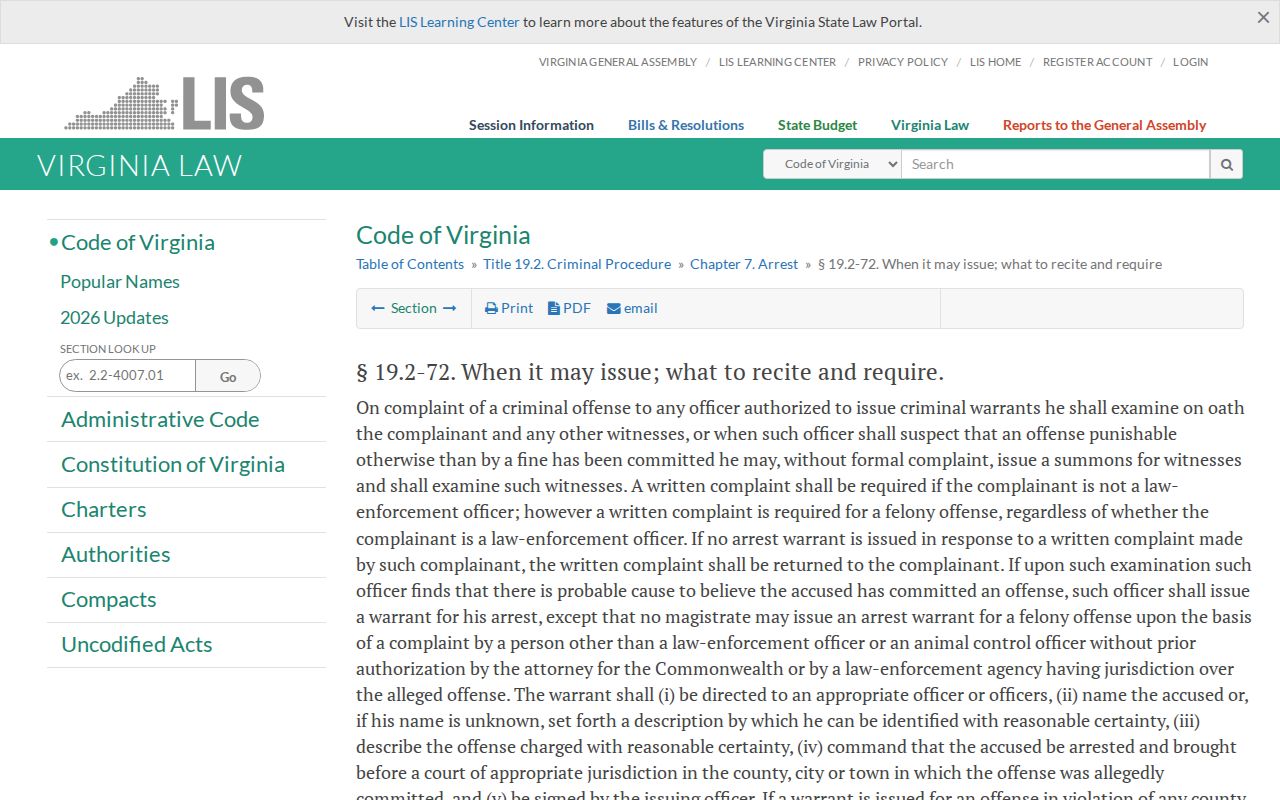
The statutory page provides the rule; the Portsmouth court record provides case-specific status.
Reading the Portsmouth Arrest Warrant Record
A case lookup can show a party name, case number, charge, and hearing date. That display is not the warrant itself. Virginia's rules require the document to carry identifying information, the alleged offense, and the judge's authorization. Check the spelling. Check the date of birth where the law allows it. Match the court and charge too, before treating a result as your Portsmouth City case.
| Warrant Number | A public format is not published; use the court's case number if shown. |
|---|---|
| Named Subject | Compare the exact name and other lawful identifiers in the official record. |
| Charge / Offense | Read the offense and code as entered by the issuing court. |
| Issuing Judge / Court | Use the caption to identify GDC, Circuit, or JDR. |
| Bond / Bail Set | Confirm current terms with the clerk or magistrate; no local public schedule was found. |
| Date Issued | Check the docket entry and ask whether any later order changed it. |
Magistrate Review and After-Hours Process
Portsmouth City magistrates work around the clock on warrant issuance and bail decisions. That makes the magistrate a key stop in how a warrant comes to exist. It is not a public warrant-search desk, and no one should expect to settle a case at the counter. Once the warrant issues, the clerk and the court assigned to the charge handle the docket and hearing questions. For an outstanding warrant, the Sheriff's Office sets its own rule. The possible subject must come to City Jail and ask in person. The public FAQ promises no phone confirmation. Keep that inquiry separate from the magistrate's after-hours role and from the Sheriff's headquarters address. The Sheriff's official FAQ spells out the local instructions for an outstanding-warrant inquiry.
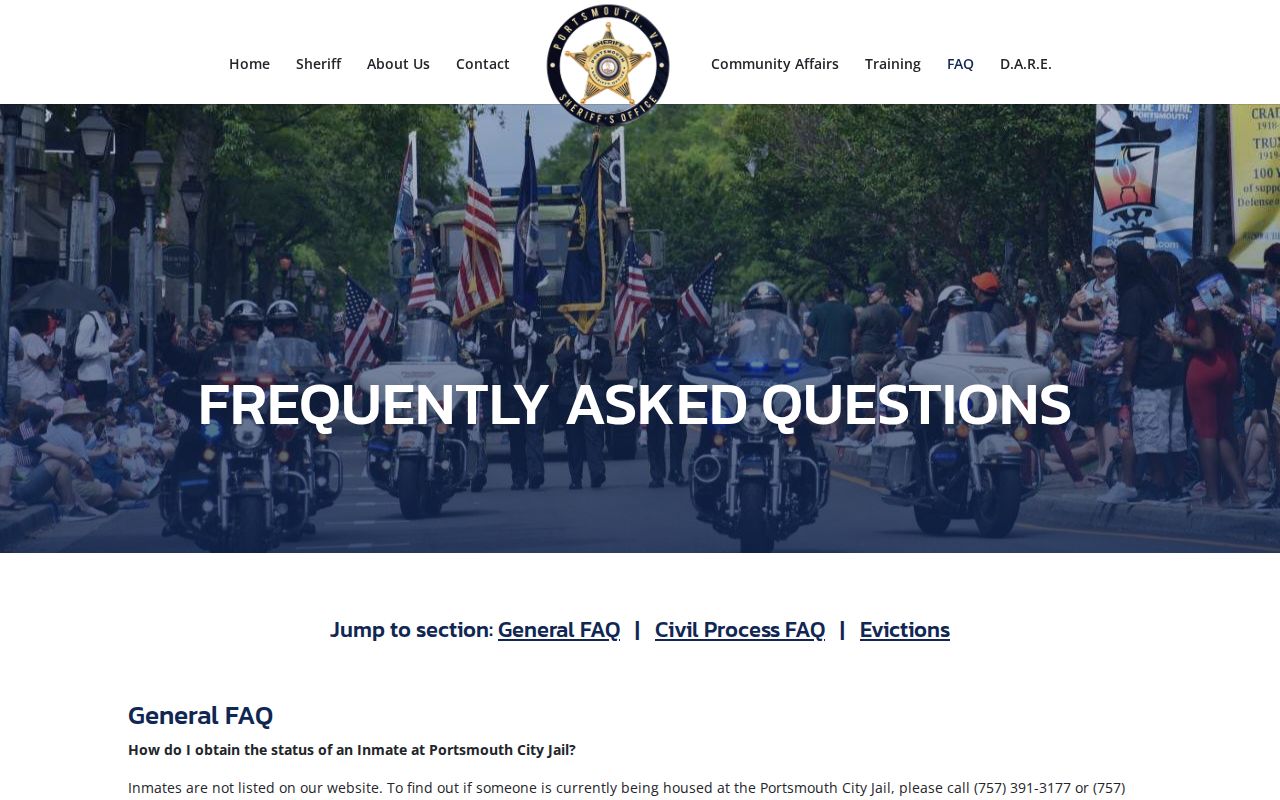
Use the Sheriff's published instructions for the inquiry location and verify directions before traveling.
Service by Portsmouth Law Enforcement
The Portsmouth City Sheriff's Office runs a Warrant, Traffic and K-9 Unit along with a Criminal Apprehension function. Portsmouth Police field a Fugitive Apprehension Unit and partner with federal agencies. Which office serves a given warrant depends on the issuing process, assignment, and any task-force involvement. Service is enforcement work. The court alone controls the case and any change to the warrant. An arrest is usually followed by booking, an initial appearance, and a bond decision. The charge and the order's terms shape what happens next. A web case page may lag behind. It can miss service entirely or skip a later hearing change, so confirm with the office or court tied to that record.
Portsmouth Police Fugitive Apprehension
Fugitive Apprehension sits inside the Police Department's Special Investigations Division. That unit works to locate and serve fugitives, with cooperation from DEA and U.S. Marshals partners. It is not a public warrant database. A unit listing never proves that a particular Portsmouth City case was assigned to it. Portsmouth Police's official division page describes these functions. For an arrest or incident report, the police records office is the separate route. For outstanding-warrant status, follow the Sheriff's FAQ and the issuing court's records instead.
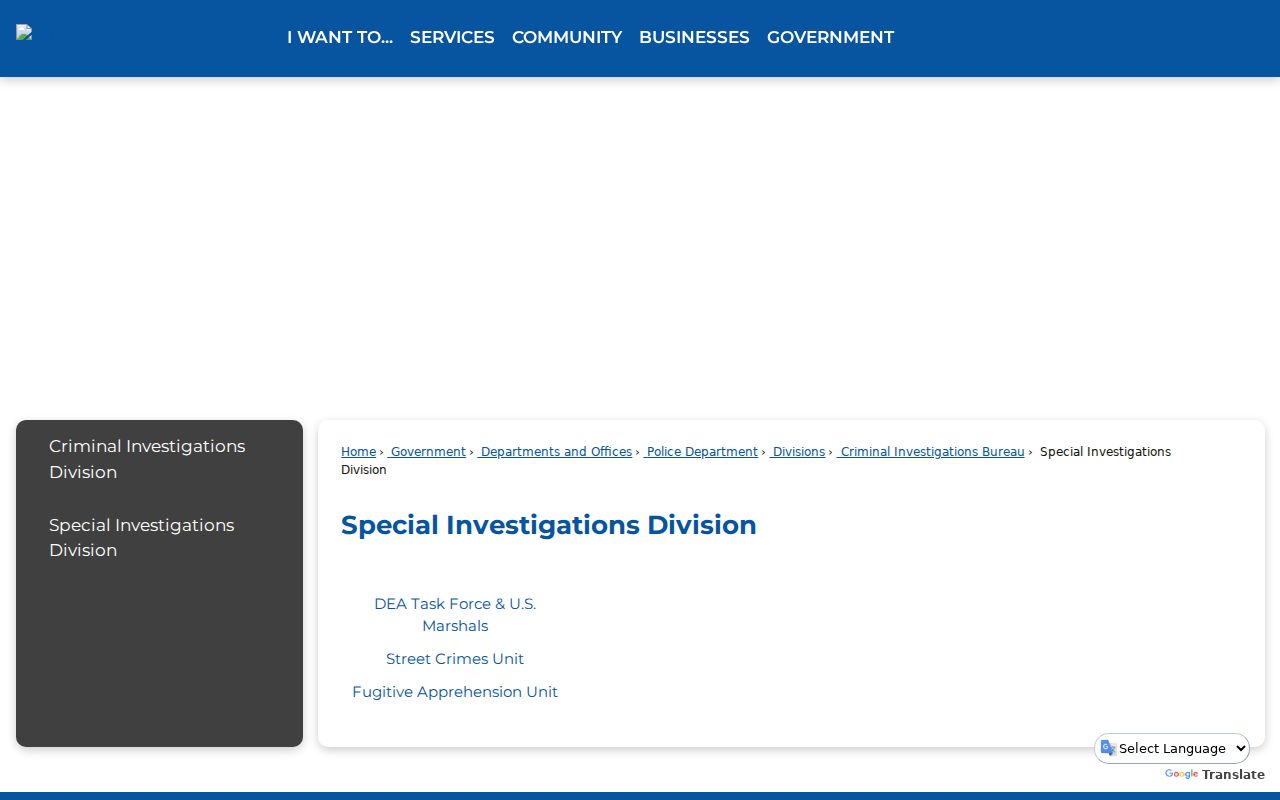
The police page describes agency structure rather than case-level warrant status.
Arrest Order, Summons, and Missed-Date Process
An arrest warrant lets police take someone into custody on a charge. A summons just orders the person to appear, with no arrest attached. A bench warrant grows out of a missed court obligation in a case already open. One docket can hold later events that change what you must do. If the clerk shows a new order, follow that rather than the old paper. See the Portsmouth bench warrant page for how missed-date process works in Portsmouth City.
| Feature | Arrest Warrant | Summons | Bench Warrant |
|---|---|---|---|
| What It Orders | Arrest and delivery before a court | Appearance on a scheduled date | Appearance or arrest for missed obligation |
| Basis | Probable cause of an offense | Charge with an appearance direction | Failure to appear or comply |
| Who Issues It | Authorized judicial officer | Court or authorized officer | Judge or court controlling the case |
| How to Respond | Confirm with counsel and issuing court | Appear as directed | Ask issuing court about recall and next setting |
What Portsmouth Public Records Can Show
Portsmouth City residents can search Virginia's General District Court and Circuit Court case systems online. Lookups run by locality, name, case number, or hearing date. Keep expectations in check, though. These indexes cover case records broadly, not just warrants, and search-warrant papers follow their own statutory publication rule. Sealed files and juvenile matters stay out of an ordinary public query. Even a hit may show only the case. The affidavit and current service status stay off screen. When a Portsmouth agency record is not online, file a request through Portsmouth's JustFOIA portal. Describe what you want as narrowly as you can. Virginia FOIA generally demands a response within five working days, but it does not force an agency to build a new roster or turn a question into a record. For a docket entry or filing, the court clerk is still the right door.
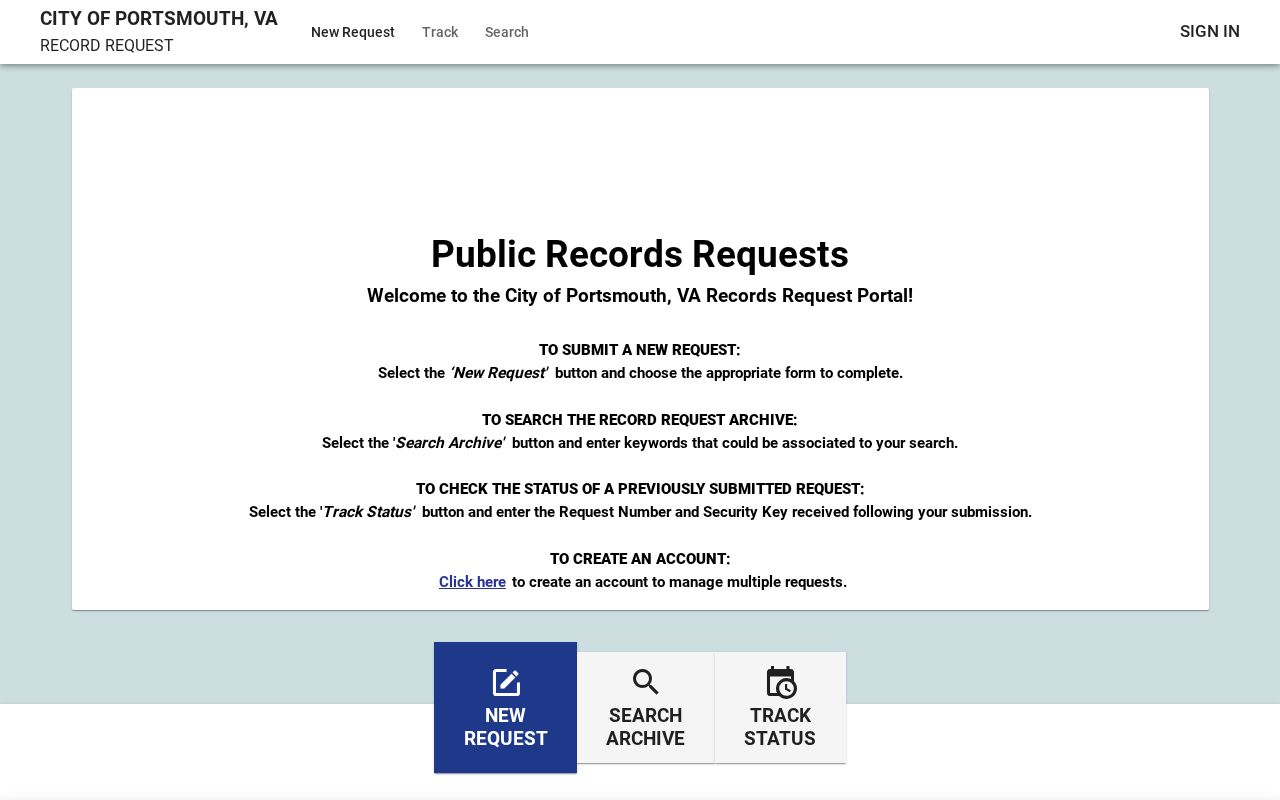
Use the request portal for Portsmouth City agency records that already exist. It is not a way to guarantee a current warrant confirmation.
Plan a Response With Counsel
If a Portsmouth City record may name you or a family member, slow down. Confirm the court, the charge, and any current order first. Then decide. Counsel can weigh voluntary surrender, bond, and a motion to recall or quash. The right path turns on the charge and any release terms, and no public website can arrange a surrender or promise a bond decision.
Important: Speak with a Virginia attorney before arranging surrender or posting bond; only the issuing court can change its warrant or set case-specific terms.
Warrant Service Is Separate From Case Control
The Portsmouth City Sheriff's Office runs a Warrant, Traffic and K-9 Unit as part of enforcement, with a separate Criminal Apprehension contact route published for that work. Its civil process phone line is not the criminal warrant desk. Call it for routing, not confirmation. A local FAQ narrows warrant inquiries further. It says the possible subject should appear at City Jail. Serving process is one job; controlling the case is another. The Sheriff may deliver court papers, but the judge or clerk's court holds the case record, sets bond conditions, and can recall a warrant. So skip assuming a court or police front desk can confirm an open warrant. The Portsmouth Sheriff's division page identifies its warrant service unit and its current details.

Use the division listing to distinguish criminal warrant service from civil process.
Federal Warrants Follow a Separate Norfolk Court
A federal arrest warrant tied to a Portsmouth City resident is not a Portsmouth General District Court case. Federal criminal matters here belong to the Eastern District of Virginia, Norfolk division. Federal warrants are served through federal law-enforcement channels. Searching city or state case records will not establish whether a federal case exists. The Eastern District's Norfolk page gives the federal court's official location and public information. Public federal docket research runs through PACER. Sealed matters and nonpublic warrant material stay out of view. Use the federal court named on your paperwork, with counsel for case-specific guidance.
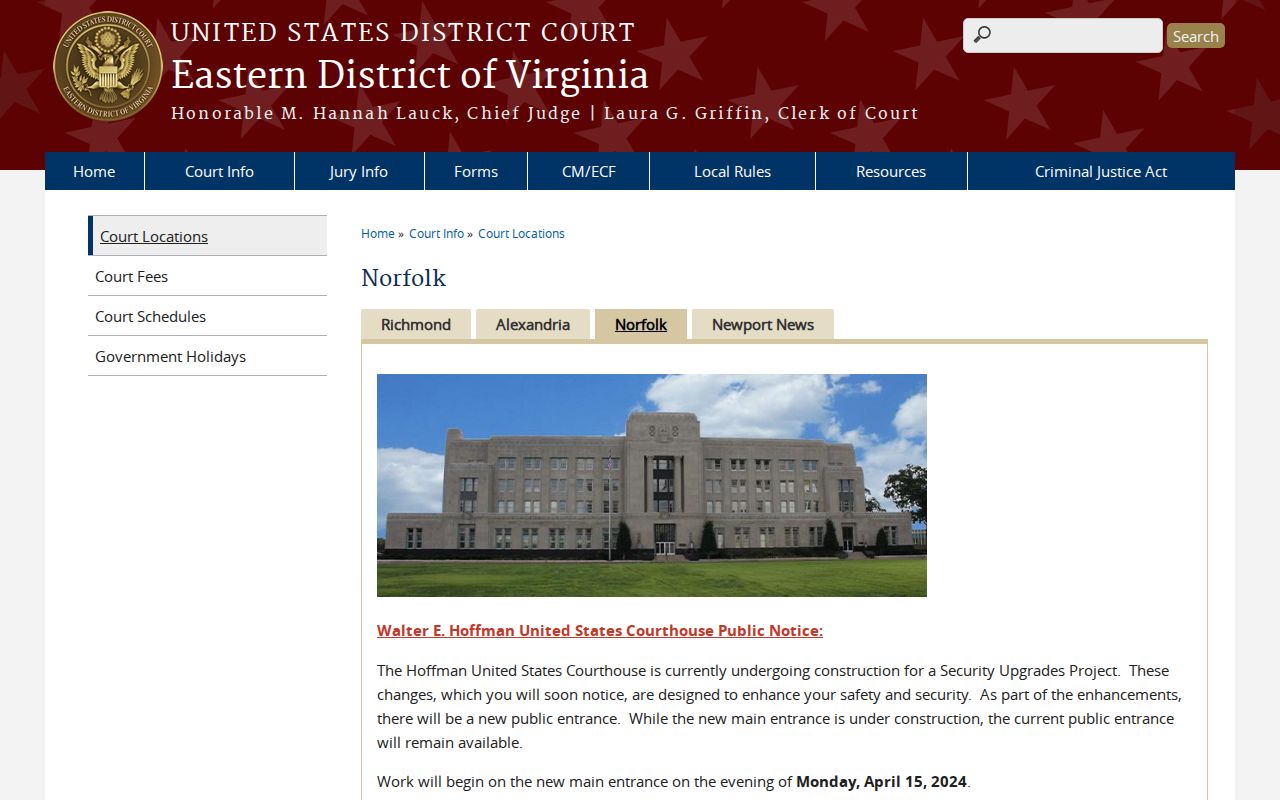
Federal court access and security rules sit apart from Portsmouth City court records. PACER's official public-access and fee information explains its docket service.
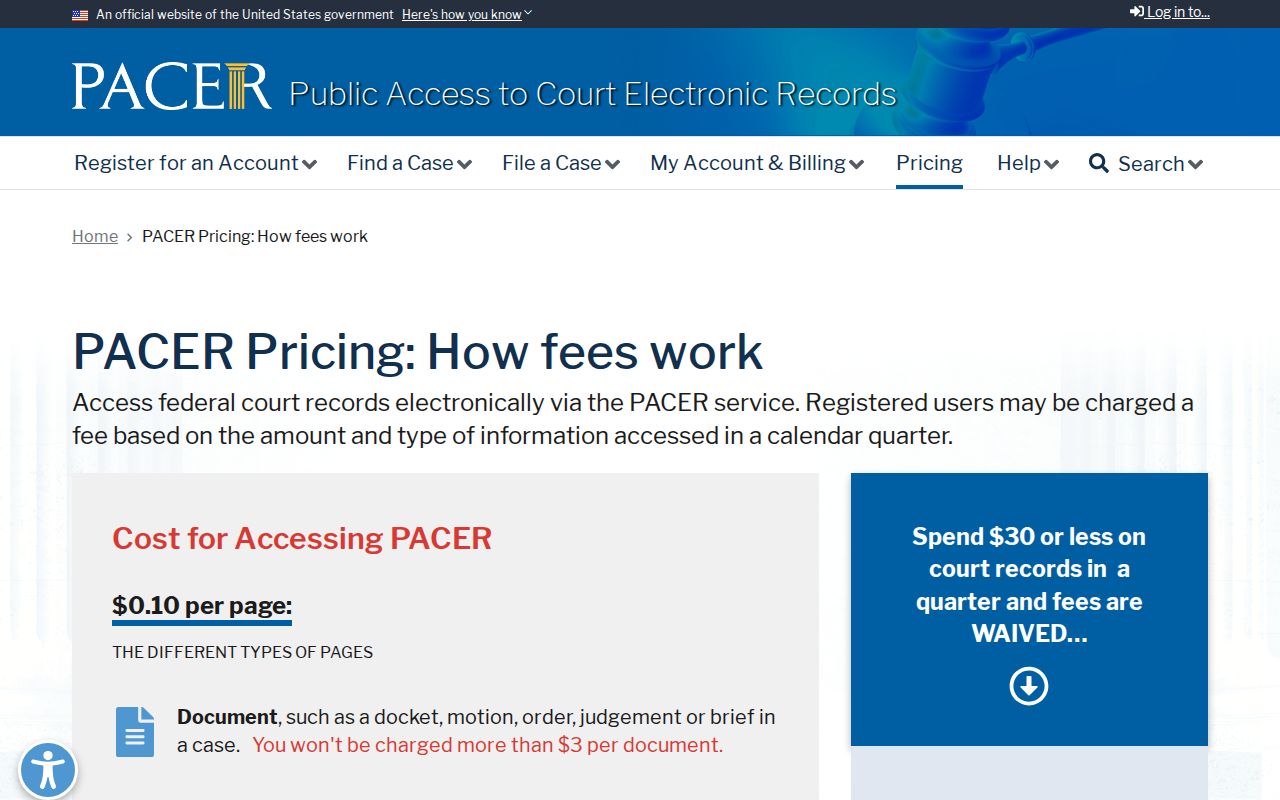
PACER is a federal court-record service, not a complete list of active arrest warrants.